
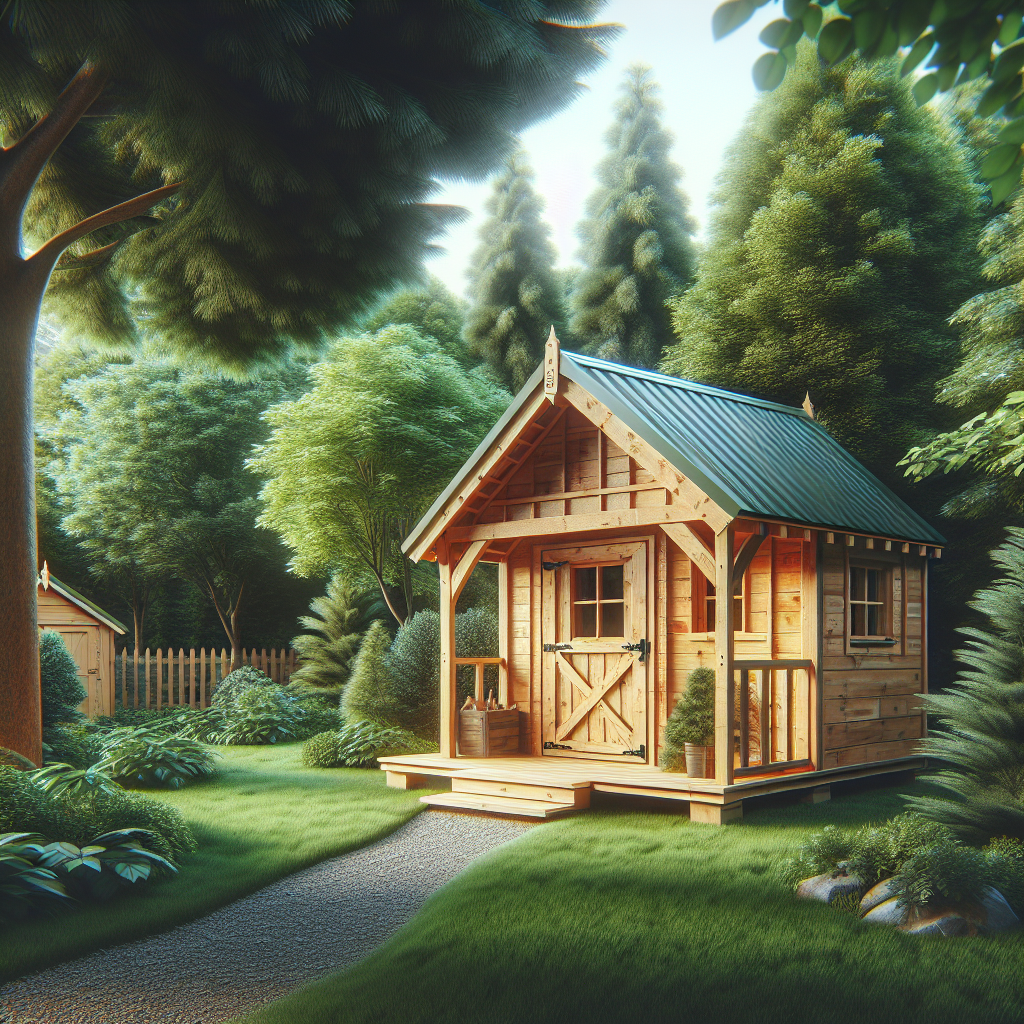
Building a shed can be an exciting and fulfilling project for any homeowner in St. Johns. Whether you’re looking to create a space for gardening tools, outdoor equipment, or just extra storage, constructing a shed adds both functionality and value to your property. However, the process can be daunting without the right knowledge and planning. Here are the top 10 shed building tips every homeowner in St. Johns should consider before starting their project.
1. Determine Your Shed’s Purpose
Knowing exactly what you plan to use your shed for is crucial. Will it serve as a garden storage, a workshop, or a playhouse for children? Defining its purpose impacts the design, size, and materials needed. A garden shed might require more ventilation for tools, while a workshop may need electrical outlets.
Consider Local Needs
In St. Johns, think about local weather conditions. A shed used for storing gardening equipment will need to be sturdy against wind and rain, whereas a playhouse might need more ventilation or insulation. Tailoring your shed to your specific requirements is key.
2. Know the Local Regulations
Before you pick up a hammer, understand what regulations apply in St. Johns. Local zoning laws may dictate the size and height of structures on your property, and you might need a building permit.
Check with Local Authorities
Contact your local government office or check their website for specific regulations. Ignoring permits and restrictions can lead to fines or even mandatory removal of the structure.
3. Choose the Right Shed Material
Materials are a vital consideration that affects durability and maintenance. Popular choices include wood, metal, and vinyl.
Wood Sheds
Wood offers a classic look but requires regular maintenance to prevent rot. Consider pressure-treated wood for long-lasting results.
Metal and Vinyl Options
Metal sheds are fire-resistant and often require less maintenance than wood. Vinyl is also a low maintenance option, ideal for those who want a long-lasting shed without frequent repairs.
4. Plan for Proper Ventilation
Ventilation might not be the first thing you think about when building a shed, but it is crucial for preserving the condition of the contents inside. Proper airflow prevents mold and mildew growth.
Add Windows and Vents
Consider adding windows or vents, especially if you plan to store items sensitive to humidity. A well-ventilated structure will not only protect your tools but also keep the space comfortable if you’re using it as a workshop.
5. Make it Stylish and Functional
Your shed doesn’t have to be just functional; it can also complement the aesthetics of your home. Choose a style that resonates with your property’s design.
Consider the Color Scheme
Painting your shed to match your house can create a cohesive look that enhances your property. Store everything neatly and consider adding features like planters or decorative shutters for a touch of charm.
6. Invest in Quality Flooring
Neglecting the shed flooring is one of the biggest mistakes homeowners make. A solid floor is fundamental for support and easy cleaning.
Concrete vs. Wooden Floors
Concrete is a durable option that withstands heavy items and moisture, whereas wooden floors can feel warmer but may require more maintenance. If you choose wood, pressure-treated lumber is essential for longevity.
7. Think About Size Carefully
It’s easy to underestimate or overestimate the size of your shed. Measure your space carefully not just for the shed itself but also for how you’ll access it.
Assess Your Storage Needs
List everything you plan to store and visualize how much space you’ll need. Make sure your shed is large enough to grow as your storage needs change over time.
8. Prepare a Strong Foundation
A solid foundation ensures your shed stands strong against the elements. Without a sturdy base, even the best design can suffer.
Foundation Options
Consider concrete blocks, a concrete slab, or wood skids. Each option has its benefits, with concrete typically offering the best long-term durability, especially for the wet conditions often seen in St. Johns.
9. Organize the Interior Efficiently
Once your shed is built, organization becomes key to maximizing its use. Think about how you want to store your items inside from the start.
Use Shelving and Hooks
Install shelving, pegboards, and hooks to keep everything accessible yet organized. Use vertical space wisely to maximize the usable area of your shed.
10. Maintain Your Shed Regularly
After all your hard work, protecting your investment is crucial. Regular maintenance will extend your shed’s life significantly.
Annual Tips
Check for any signs of wear, repaint as necessary, and ensure gutters and downspouts are clear to prevent water damage. Regular clean-out every few months will help maintain the organization and condition of your stored items.
Building a shed is an excellent project for homeowners in St. Johns looking to enhance their property. By carefully planning and executing these tips, not only can you ensure a functional and attractive storage space, but you also add value to your home. Happy building!