
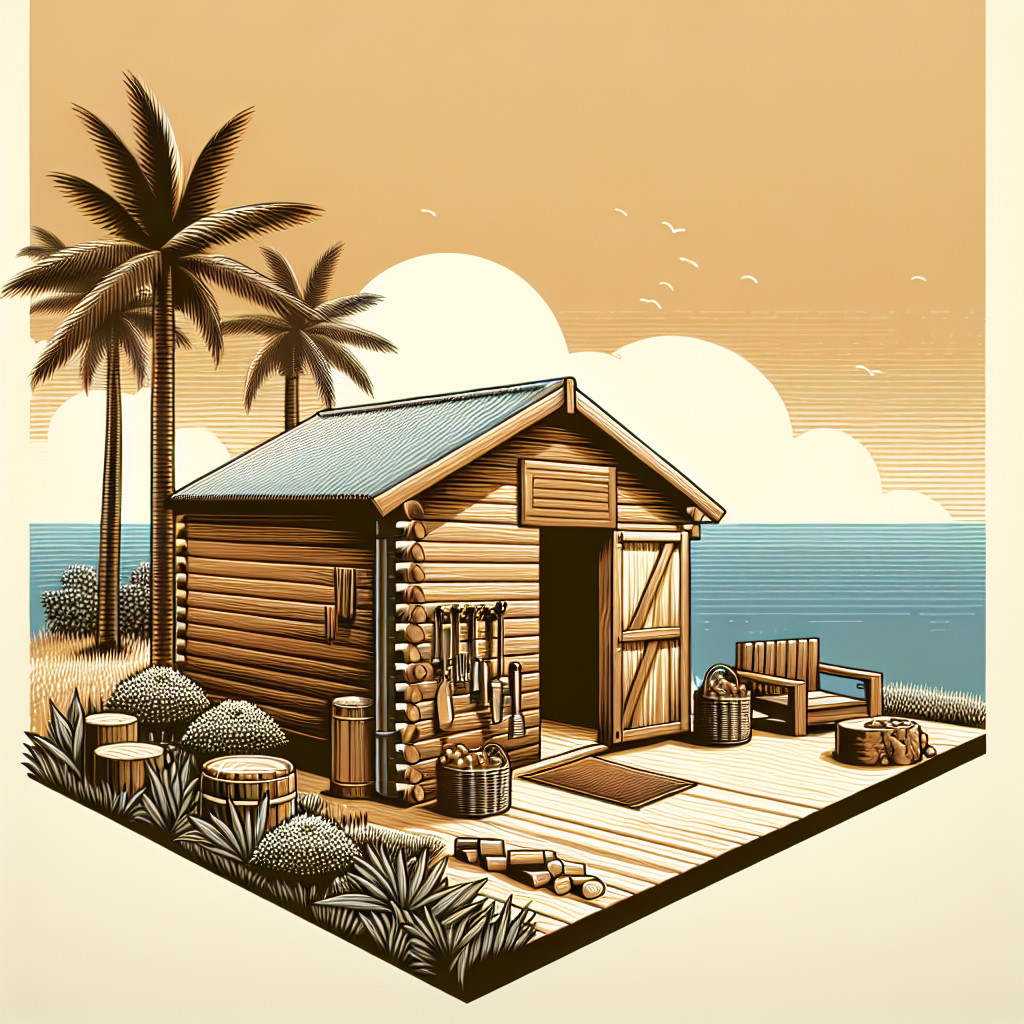
Choosing the right materials for your shed can significantly affect its durability, aesthetics, and overall functionality. In bustling St. Augustine, where the climate features high humidity and summer heat, making an informed decision about your shed’s materials is crucial. Let’s explore how various materials can impact your shed-building project, making your outdoor space not only functional but also stylish and long-lasting.
Understanding the Climate Impact on Shed Materials in St. Augustine
St. Augustine experiences a warm, subtropical climate. This means that the materials you choose for your shed must withstand high temperatures, moisture, and the occasional storm. Understanding how these environmental factors can affect different materials is the first step in making a wise decision.
Material Considerations for High Humidity
Excessive moisture can lead to rotting and mold growth in some materials. Therefore, it is essential to choose options that resist moisture damage. For instance, treated wood is an excellent choice as it has chemicals applied to improve its durability against water. Similarly, vinyl siding is impervious to water, making it a practical alternative if you want a less maintenance-heavy option.
Wood Sheds: Traditional Charm with Caring Needs
Wood sheds have been a staple for outdoor storage for decades. They provide a classic aesthetic that many homeowners in St. Augustine appreciate. However, they require more maintenance compared to other materials.
Types of Wood for Sheds
When selecting wood for your shed, consider cedar and redwood. Both options are naturally resistant to decay, making them well-suited for humid environments. If you’re on a budget, pressure-treated pine can also be a viable option, though you may need to apply additional sealants regularly to protect it from moisture damage.
Metal Sheds: Durability Meets Low Maintenance
If you seek a modern solution, metal sheds are worth considering. They are known for their durability and can last for decades with little maintenance. However, your choice of metal should reflect your local environment.
Choosing the Right Metal
Galvanized steel is a popular material for metal sheds, offering resistance against rust and corrosion, especially important in the humid conditions of St. Augustine. Aluminum is another lightweight alternative; while it may not be as strong as steel, it is rust-resistant and easy to maintain.
Vinyl Sheds: The Ultimate Low-Maintenance Option
In recent years, vinyl sheds have gained popularity, largely due to their low-maintenance requirements. They don’t warp or rot, and they resist fading and peeling, making them an excellent choice for the humid St. Augustine climate.
Pros and Cons of Vinyl Sheds
The primary advantage of vinyl sheds is that they require little more than a simple wash to keep them looking new. However, they can be pricier upfront compared to wood or metal sheds. Thus, budgeting is essential. Moreover, while vinyl is durable, it can be less aesthetically pleasing for homeowners who prefer a more natural look.
Composite Sheds: Best of Both Worlds
Composite materials combine wood and plastic to create a shed that offers the benefits of both. They provide the aesthetic appeal of wood without the drawbacks of decay and moisture damage.
Benefits of Composite Materials
One significant advantage of composite sheds is their resistance to the elements. Not only do they avoid the issues of rotting, but they are also built to withstand fading and scratches. When looking to blend aesthetics with durability, composite materials can be an excellent choice for your shed.
Choosing the Right Roof for Your Shed
While selecting the material for the main structure, consider the roof type as it’s just as critical. Roofs protect your shed from rain, sun, and other elements.
Roofing Materials for St. Augustine’s Climate
Asphalt shingles are a popular choice for their affordability and ease of installation. They work well in residential areas of St. Augustine but do require some maintenance over time.
Metal roofing is also a strong contender, providing durability and resistance against challenges like storms. Its reflective properties can help keep your shed cooler in the hot summer sun.
Local Regulations and Compatibility with Neighborhood Aesthetics
Before finalizing your shed materials, it’s essential to check any local regulations. In historic areas like St. Augustine, maintaining compatibility with neighboring structures is crucial. Make sure to adhere to any aesthetic guidelines if you live in a designated historic district.
Check with Local Ordinances
Most municipalities have specific rules that dictate what types of materials can be used for outbuildings. It’s a good idea to consult your local zoning department or building authority to avoid potential fines and ensure your shed fits within community standards.
Budgeting for Your Shed Materials
Budgeting is fundamental when choosing materials for your shed. Building a quality structure may require an investment, but consider it an investment in your property.
Cost-Benefit Analysis
Think about the long-term benefits of the materials you select. For example, while wood may be cheaper upfront, the maintenance and potential for decay can lead to higher costs down the line. Conversely, spending more on a durable vinyl or metal option can save money and effort in the long term.
Putting It All Together
In conclusion, selecting the best materials for your shed in St. Augustine involves understanding the local climate, budget, aesthetic preferences, and any regulations. Consider the benefits and drawbacks of various options, from traditional wood to modern vinyl and metal. Each material has its unique attributes, allowing you to craft the ideal shed suitable for your needs.
Always prioritize materials that align with your vision while ensuring durability and functionality for years to come. Your shed can be a beautiful extension of your property, whether it serves as a simple storage unit or a charming woodworking space. Happy building!