
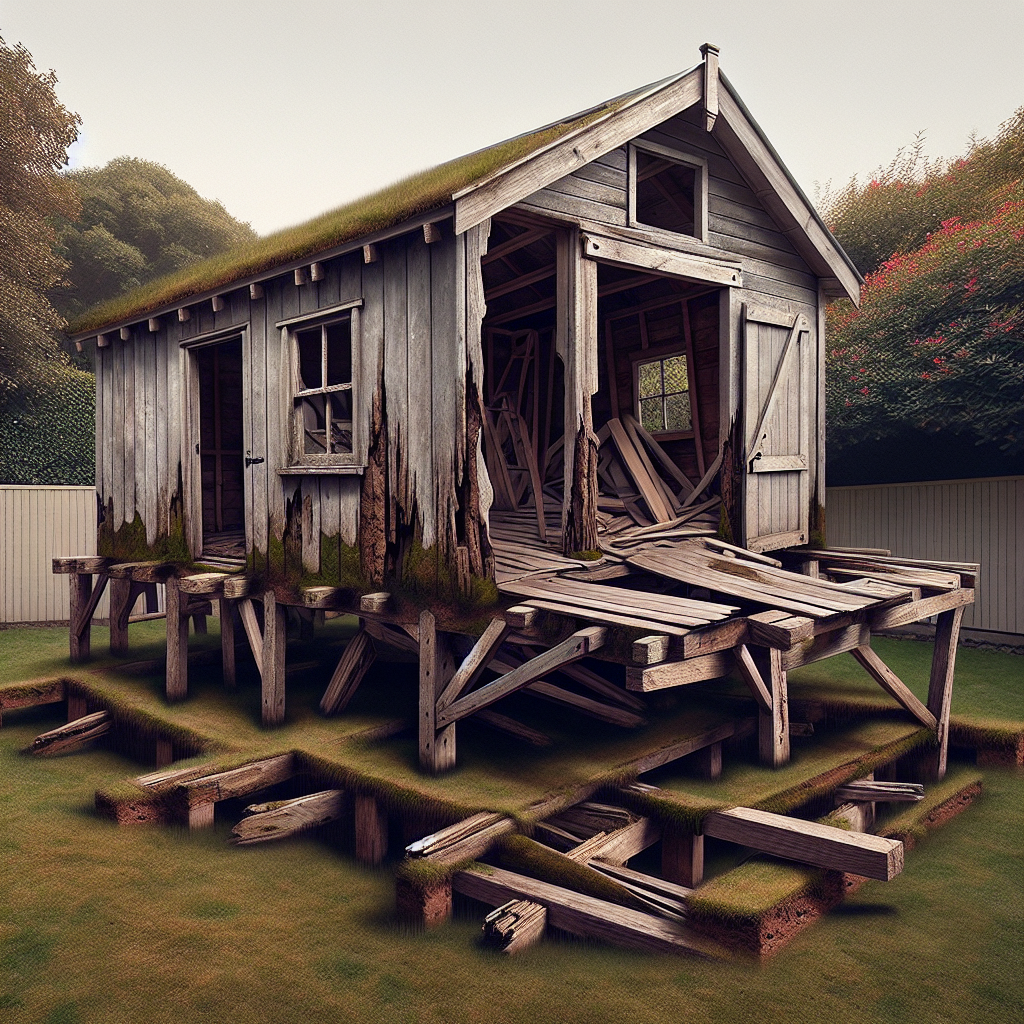
Building a shed can be an exciting project, providing outdoor storage, workspace, or a garden retreat. However, one crucial aspect of any shed construction is the foundation. In St. Augustine, unique soil conditions, weather patterns, and local regulations can lead to various shed foundation problems. Understanding these issues is essential for homeowners looking to avoid costly repairs and ensure the longevity of their shed. This blog post will explore some common shed foundation problems specific to St. Augustine, Florida, and how to mitigate them.
Understanding Soil Types in St. Augustine
The first step in addressing shed foundation problems is understanding the soil types in the area. St. Augustine’s soil predominantly consists of sandy sediment and clay. This combination can pose challenges for shed foundations. Sandy soil drains well, which is generally positive, but it can also lead to instability. Clay, on the other hand, expands and contracts with moisture, which can undermine a foundation over time. As such, homeowners need to be aware of their specific soil conditions before opting for a foundation type.
Soil Expansion and Contraction
Homes and structures built on clay soil in St. Augustine may experience issues related to soil expansion and contraction. When the soil gets wet, it swells, which can push against the shed’s foundation. Conversely, when dry, the soil shrinks, creating voids under the foundation. This cycle can lead to uneven settling, resulting in cracks and misalignment. To combat this problem, regular soil moisture management is essential. Consider adding a drainage system or using landscaping techniques that reduce water pooling around the shed.
Common Types of Shed Foundations
When building a shed, selecting the right foundation type is critical. Common types include concrete slabs, pre-cast piers, and treated wood skids. Each foundation type has its pros and cons, especially regarding climate and soil conditions in St. Augustine.
Concrete Slab Foundations
Concrete slabs are one of the most popular shed foundations due to their stability. However, in St. Augustine, a poorly poured slab can crack due to soil movement beneath. To prevent this, ensure that the concrete is reinforced and adequately cured before placing the shed on top. Additionally, it’s crucial to have a solid base that can handle the weight and prevent the slab from settling unevenly.
Treated Wood Skids
Another common foundation is using treated wood skids. While these are affordable and relatively simple to install, they can succumb to decay and insect damage over time. The moist climate in St. Augustine can exacerbate these issues. Keeping the skids elevated and using rot-resistant materials can mitigate the risk of deterioration, extending the life of your shed.
Water Drainage Issues
In St. Augustine, effective water drainage is vital for maintaining a stable shed foundation. Poor drainage can lead to many problems, including mold growth, wood rot, and even pest infestations. If water pools around your shed, it can seep into the foundation, compromising its integrity.
Setting Up Proper Drainage Systems
Implementing a proper drainage system can significantly reduce the risk of water-related foundation issues. A simple solution involves grading the land around the shed to direct water away. Installing gutters on the shed’s roof can further channel water away from the foundation. Additionally, consider adding a gravel base or drainage tiles to absorb excess moisture.
Pest Infestations: Termite Concerns
Termites pose a significant risk to shed foundations, particularly in St. Augustine’s warm climate. Wooden foundations, skids, or any area of untreated wood can become vulnerable. These pests thrive in humid environments, making it essential to be vigilant.
Preventative Measures Against Termites
To guard against termites, you can take proactive measures such as using treated wood for any structural components. Regular inspections and applying termite barriers can also help keep these pests at bay. Additionally, ensure that the shed remains well-ventilated and free from excessive moisture to reduce the likelihood of infestations.
Signs of Foundation Problems
Recognizing the signs of foundation problems early can save you time and money. Homeowners in St. Augustine should be aware of several indicators that may suggest foundation issues.
Visible Cracks and Uneven Floors
Look for cracks in the walls or the foundation itself. If you notice cosmetic issues such as doors that stick or floors that feel uneven, these can be signs of a shifting or settling foundation. Early detection can lead to solutions before they escalate into serious problems.
Water Accumulation Around the Shed
Monitor the area around your shed for signs of water accumulation. Persistent standing water or heavy erosion can indicate drainage issues that need addressing. These conditions can weaken your foundation.
Repairing Shed Foundations
If you do encounter foundation problems, taking action sooner rather than later is essential. Repair options vary based on the nature and severity of the issues identified.
Foundation Leveling
In cases of uneven settling, foundation leveling is a potential solution. This process involves lifting the shed to create a level foundation, often using hydraulic jacks or other leveling devices. While labor-intensive, leveling can restore balance to your shed’s structure.
Reinforcing Foundations
If deterioration is found, reinforcing or replacing parts of the foundation may be necessary. This could mean adding additional piers or replacing rotted wood with treated lumber. Consulting with a foundation specialist can help to provide guidance on the best course of action tailored to your specific needs.
Conclusion
In conclusion, shed foundation problems can be particularly prevalent in St. Augustine due to local soil types, weather, and pest concerns. Being proactive about understanding soil conditions, installing proper drainage systems, and selecting the right foundation can prevent many common issues. Should problems arise, recognizing signs early can help ensure a long-lasting and stable shed.
By taking these considerations into account, you’ll not only protect your investment but also enjoy your shed for years to come.