
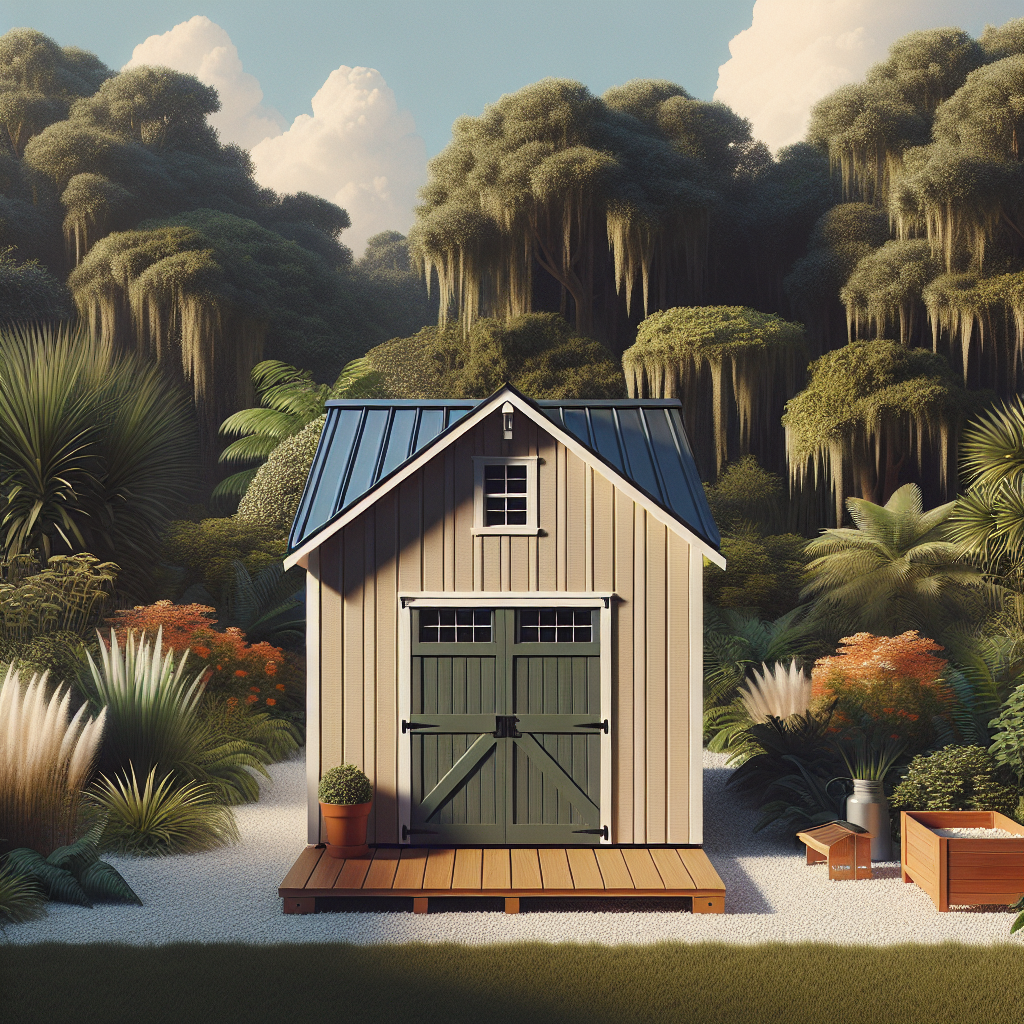
When it comes to enhancing your property’s functionality and aesthetics, choosing the right shed size in St. Augustine is a crucial step. Sheds are not merely storage spaces; they are extensions of your home that serve many purposes, from storing garden tools to becoming your creative workshop. The sunny climate of St. Augustine, combined with the diverse landscape, makes it essential to select a shed that fits perfectly with your lifestyle. This guide will delve into everything you need to know about shed sizing, tailored specifically for the unique needs of St. Augustine residents.
Understanding Shed Size Requirements
Selecting the appropriate shed size is vital for ensuring that you effectively utilize space while meeting your needs. The size of your shed will determine not only what you can store but also how comfortable the shed will be as a workspace.
Consider Your Purpose
Before determining the size, consider the primary purpose of the shed. Are you storing gardening tools, outdoor furniture, or using it as a workshop? Each purpose will require different dimensions. For simple storage, a small 6’ x 8’ shed might suffice. However, if you plan to work in it or house larger equipment, you should consider sizes like 10’ x 12’ or even larger.
Available Space in Your Yard
Evaluating your property size and available space for the shed is crucial. You don’t want to overcrowd your yard. A small urban lot in downtown St. Augustine may only accommodate a compact shed, while a spacious estate outside the city may allow for a larger structure. Ensure you measure the area you have allocated for the shed and visualize how it will fit into your yard’s layout.
Local Regulations and Codes
St. Augustine residents must also account for local building codes and regulations when selecting the size of their shed. It’s important to ensure your shed complies with local zoning laws, which will dictate the maximum size permissible for outbuildings. This will often depend on the size of your lot and may require permits for larger sheds.
Setback Regulations
Many areas have specific rules around how far structures must be set back from property lines. Familiarize yourself with St. Augustine’s setback regulations before selecting a shed size. This will influence your final decision, determining a minimum size based on available setbacks and ensuring you avoid penalties.
The Shed Size Guide for St. Augustine
To assist homeowners in St. Augustine, we’ve created a shed size guide. This guide offers insights sized by purpose and area.
Small Sheds (6’ x 8’ to 8’ x 10’)
Ideal for basic storage needs, small sheds can fit in tight spaces without overwhelming your garden. They work well for:
– Garden tools and equipment.
– Small outdoor furniture items.
– Potting benches or limited craft space.
Medium Sheds (10’ x 12’ to 12’ x 16’)
Medium sheds provide additional room for multiple units. These sizes are efficient for users who may wish to embark on hobbies that require more equipment or who need to store items like:
– Bicycles or larger lawn equipment.
– Basic workshop tools for DIY projects.
– Seasonal decorations and other household items.
Large Sheds (12’ x 20’ and larger)
If you have ample space and significant storage needs, going for a larger shed makes sense. Large sheds allow for complete versatility and can serve multiple functions:
– Full workshop or craft space with workbenches.
– Garden storage for large tools and machines.
– Recreational space or a man cave, complete with seating and electrical.
Visualizing Your Shed in Your Landscape
Now that you have an idea of what size you’re looking for, it’s time to visualize how the shed will fit within your landscape. You might consider using drawing tools or apps that provide 3D modeling of your yard. This technology can help you place different shed sizes in the model to see how each integrates into your outdoor spaces.
Choosing the Right Style
The style of your shed goes hand-in-hand with its size. While functional considerations are essential, aesthetics also matter. A well-designed shed can enhance your property’s visual appeal, especially when harmonizing with your home’s architecture or the surrounding gardens in St. Augustine. Think of:
– A classic garden shed to complement floral arrangements.
– A modern shed with clean lines for contemporary homes.
Budgeting for Your Shed
After assessing the size and style of your shed, budgeting becomes a paramount concern. Larger sheds often come with higher price tags, not just for materials, but also for construction if you’re hiring professionals. Consider the following when budgeting:
– **Materials**: Wood, vinyl, and metal come at different costs, with wood generally being more expensive but offering a classic look.
– **Additional Features**: Windows, shelving, electrical outlets, and roofing types can all add to the cost.
– **Installation Costs**: Will you build the shed yourself or hire a contractor? If it’s the latter, get quotes to understand potential expenses.
Maintenance and Upkeep Costs
Your choice in size and materials will also affect long-term costs in terms of maintenance. Larger and more complex structures typically require more upkeep, whether it’s painting, sealing, or repairs. Factor in these ongoing costs when deciding on your initial shed size.
Conclusion
Selecting the right shed size in St. Augustine is a multifaceted decision that involves assessing your needs, local regulations, available space, and aesthetic preferences. With a bit of planning and foresight, you can choose a shed that enhances both the functionality and beauty of your property. Whether you need a small shed for simple storage or a large space for a workshop, ensure that it complements your lifestyle and your yard.
Making the right choice now will save you headaches later. So, take your time, measure twice, and invest in a shed that stands the test of time, helping you organize your outdoor living effectively for years to come.