
When the allure of a well-maintained shed becomes overshadowed by the wear and tear of the seasons, it often be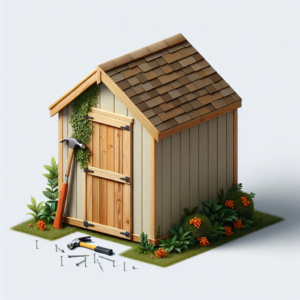 comes essential to repair the siding. In a humid climate like that of Orange Park, Florida, the structural integrity and aesthetics of your shed can be compromised by moisture, pests, and weather conditions. Understanding how to effectively repair shed siding is crucial for homeowners wanting to extend the life and appearance of their outdoor storage spaces.
Shed Siding Repair: Why It Matters
Maintaining your shed is more than just a cosmetic issue; it serves practical purposes too. Properly maintained siding helps prevent water leaks, pest infestations, and other issues that may arise due to neglect. In Orange Park, the unique weather patterns and humidity can accelerate wear on your shed’s exterior. Regular inspections and proactive repairs can save you significant expenses down the line.
Common Issues with Shed Siding in Orange Park
One of the first steps in effectively repairing your shed siding is understanding the typical problems you may encounter. Cracks, holes, or warping in wooden siding can lead to extensive damage. In many cases, termites or other wood-boring insects can wreak havoc on untreated or inadequately protected siding.
It’s also important to consider paint deterioration. In an area like Orange Park, where UV rays and humidity can degrade paint quality, old or chipped paint can tell you a lot about the condition of your shed’s siding beneath.
Tools and Materials Required for Shed Siding Repair
Before embarking on your shed siding repair project, gathering the right tools is essential. Here’s a basic list:
- Safety goggles
- Dust mask
- Measuring tape
- Pry bar
- Hammer
- Nails or screws
- Wood glue (for small repairs)
- Wood filler
- Sandpaper
- Paint or stain finish
- Caulk (for sealing gaps)
Ensuring you have everything ready will save you time and frustration, allowing for a smoother repair process.
Assessing the Damage
After obtaining the necessary tools, the next step is to assess the damage to your shed’s siding. Here’s what you should look for:
- Visual Inspection: Walk around your shed and carefully look for signs of peeling paint, gaps, cracks, and any visible pest activity.
- Physical Inspection: Tap on the siding with the back of a hammer. A hollow sound can indicate damage or decay under the surface.
- Moisture Tests: If you suspect internal damage, consider using a moisture meter to check the wood’s dampness. High moisture levels could suggest more extensive issues.
Document your findings with photos and notes to keep track of what needs addressing.
Repairing Shed Siding in Orange Park
Once you’ve assessed the damage, it’s time to dive into repairs. Depending on the severity of the issue, you may need to use different methods to fix your siding.
Small Repairs
If you’ve found minor cracks or holes, these can often be remedied with simple fixes:
– **Wood filler:** For small gaps or cracks, apply a wood filler that’s suitable for outdoor use. Once it dries, sand it down to smoothen the surface before painting.
– **Caulking:** Use caulk to fill gaps between siding panels or where the siding meets the roof or foundation, ensuring a tight and weather-resistant seal.
Replacing Damaged Sections
For larger areas of damage or rotting wood, replacing sections of siding may be necessary. Here’s how to do it:
1. Begin by using a pry bar to remove the damaged siding carefully. Ensure you don’t damage adjoining panels.
2. Measure and cut the new siding piece to fit the area precisely. Always choose materials that match your shed for uniformity.
3. Secure the new piece in place using nails or screws, and coat the exposed edges with protective sealant to prevent future damage.
Finishing Touches for Shed Siding Repair
After all repairs are done, it’s crucial to make your shed look visually appealing again. This step helps maintain its value and your property’s aesthetic.
Painting and Staining
Once you have completed the structural repairs, consider applying a new coat of paint or stain. This will not only enhance aesthetics but also provide a protective layer against the elements. Choose high-quality, weather-resistant products suitable for outdoor wood siding.
Furthermore, consider using lighter colors to reflect sunlight and reduce heat absorption, which is especially beneficial in the warm climate of Orange Park.
Regular Maintenance
Finally, prevention is always better than cure. After you repair your shed siding, implement regular maintenance checks. This includes inspection after storms, cleaning debris off the roof, and ensuring proper drainage around the structure. Such measures will help prolong the life of your shed and save you from costly future repairs.
Conclusion
Repairing shed siding in Orange Park might seem like a daunting task, but with the proper tools and guidance, it can be an achievable project for any homeowner. Understanding the common issues, methods of repair, and the importance of maintenance will ensure your shed remains sturdy and visually appealing for years to come. Don’t hesitate to tackle the repair yourself, or consider hiring a professional if the job seems overwhelming. Being proactive about your shed’s upkeep is the key to enjoying it for many seasons ahead.